Source Silver Plated Hamsa Bracelet for Gifts, Fashion, and Events
Compare 30 silver plated hamsa bracelet options from verified suppliers. These customizable charm bracelets feature eco-friendly materials, various plating finishes, and universal sizing suitable for gifts, fashion, and special occasions; compare the available evidence and request quotations based on your requirements.
Key considerations
Products List
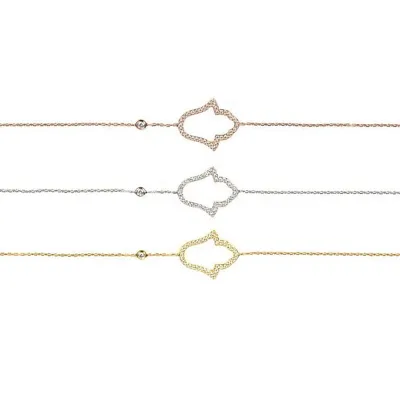


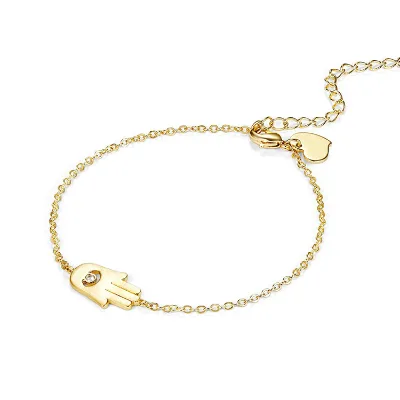
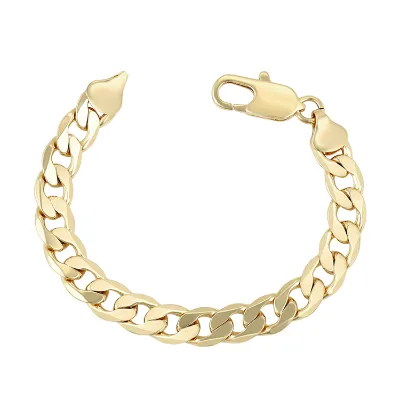
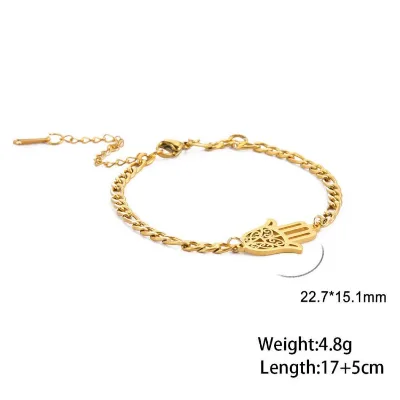
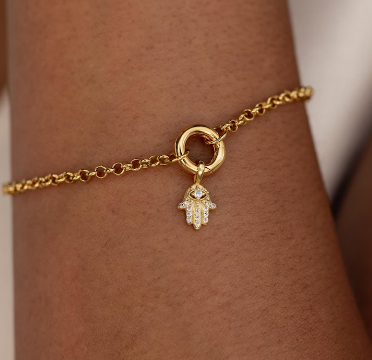
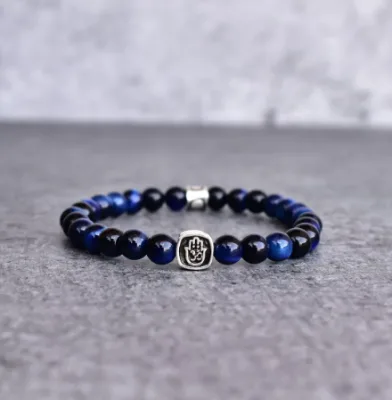


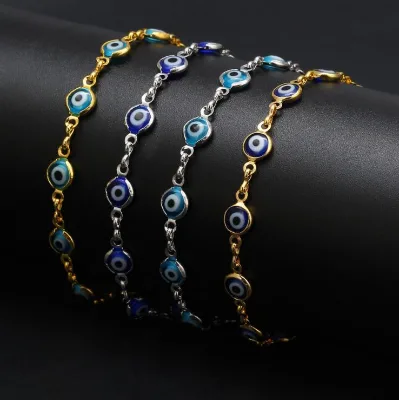
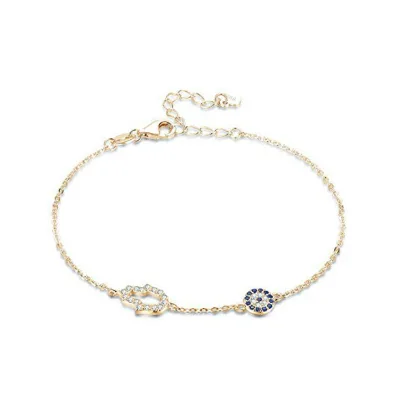
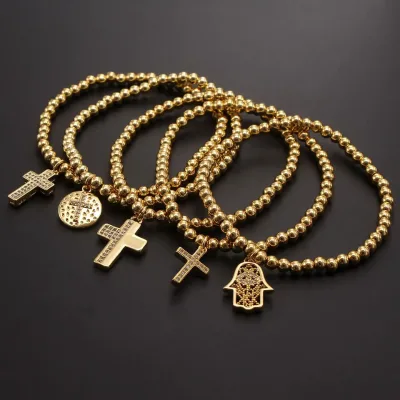
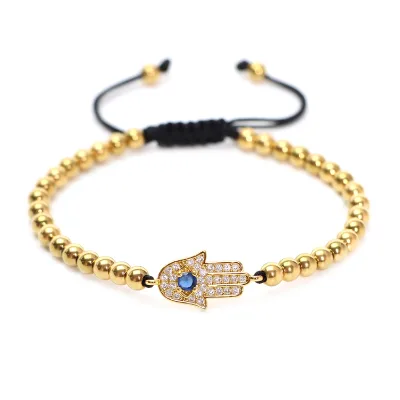


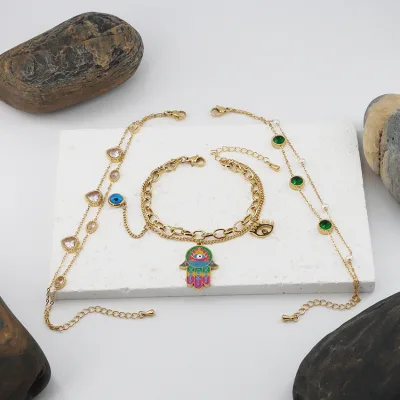

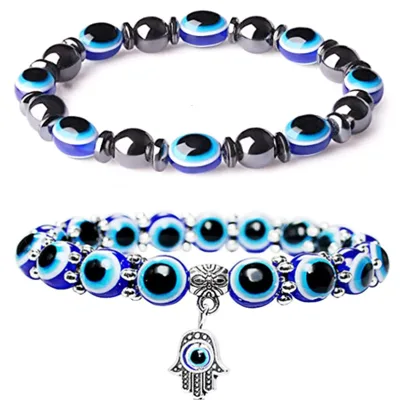

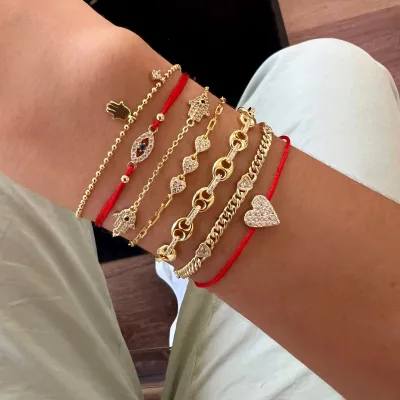
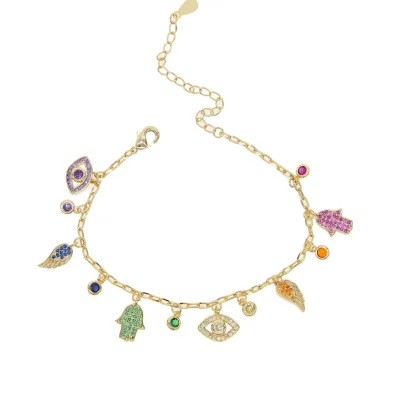
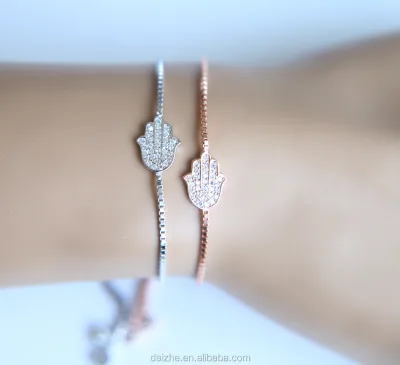
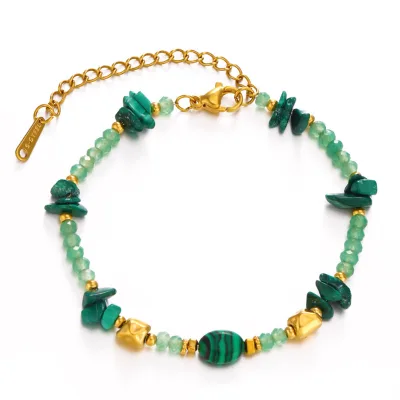

Comprehensive Sourcing Guide
Silver Plated Hamsa Bracelet Sourcing Guide
Sourcing silver plated hamsa bracelets requires a nuanced understanding of both aesthetic customization and material integrity, particularly when targeting the global gift and fashion jewelry markets. Buyers must recognize that these items often serve as versatile accessories suitable for unisex audiences, blending traditional symbolic motifs with contemporary European and American style preferences. The observed market signals indicate a strong emphasis on eco-friendly production methods and the availability of custom logos, which are critical for brands seeking to differentiate their offerings in a crowded marketplace.
Procurement teams should prioritize suppliers who demonstrate flexibility in plating options, ranging from standard silver to rose gold or 18K gold finishes, while maintaining the structural integrity of stainless steel cores. The presence of specific model numbers like BT102 and BT104 suggests a standardized manufacturing base that allows for efficient scaling. However, buyers must verify that the "universal" sizing claims align with actual inventory data, as length variations from 16cm to 23cm are common, requiring precise specification management to avoid stock discrepancies or customer dissatisfaction regarding fit and comfort.
Product Scope and Observed Listing Signals
The current market landscape for silver plated hamsa bracelets reveals a diverse range of product attributes that cater to varied consumer preferences and branding needs. Listings frequently highlight features such as nickel-free construction, high polished finishes, and bezel setting techniques for main stones like crystals or rhinestones. These technical details are not merely decorative but serve as key differentiators for buyers concerned with durability and skin safety. The availability of concave logo types and color-filling charms further expands the customization potential, allowing brands to create unique visual identities that resonate with specific demographic segments.
Observations also indicate that packaging is standardized, often utilizing single OPP bags, which simplifies logistics but may require additional branding efforts for retail-ready presentations. The origin of these products is predominantly China, with specific manufacturing hubs in Guangdong, providing access to established supply chains and skilled labor. Buyers should note that while the style is described as simple, the intricate nature of hamsa designs and the precision required for diamond-shaped princess cut stones demand high-quality craftsmanship. This balance between simplicity in overall design and complexity in detail execution is a critical factor in assessing supplier capability.
Technical Specifications to Verify
When evaluating technical specifications, buyers must rigorously verify the plating thickness and adhesion quality, as these factors directly influence the longevity and appearance of the silver plated finish. The observed data mentions various plating types, including 14K, 10K, and 24K gold options, alongside standard silver plating. It is essential to confirm that the underlying material, often stainless steel, provides a stable base for these coatings to prevent peeling or tarnishing over time. Additionally, the single gross weight of approximately 0.028 kg per unit offers a baseline for shipping cost calculations, but buyers should account for potential variations due to custom sizes or added embellishments.
Dimensional accuracy is another critical area for verification, with lengths ranging from 16cm to 23cm and single package sizes noted as 4x4x3 cm. Buyers should request physical samples to measure these dimensions precisely, ensuring they match the advertised specifications for charm bracelets and bangles. The inlay technology, specifically bezel setting, should be inspected for smoothness and security to prevent stone loss during wear. Furthermore, the eco-friendly claims should be substantiated by verifying the absence of harmful chemicals in the plating process, aligning with modern sustainability standards and consumer expectations for responsible manufacturing practices.
Compliance and Safety Documentation
Compliance with international safety standards is non-negotiable for silver plated hamsa bracelets, particularly given their direct contact with skin and potential use as gifts for children or sensitive individuals. Buyers must ensure that suppliers provide documentation confirming nickel-free status, as nickel allergies are a common concern in the jewelry industry. While specific certification names are not listed in the observed data, buyers should request test reports from accredited laboratories that verify compliance with relevant regulations, such as REACH in Europe or CPSIA in the United States. These documents serve as proof that the materials used in the stainless steel core and plating processes are safe for prolonged wear.
Additionally, the eco-friendly attributes claimed by suppliers should be backed by verifiable evidence, such as certifications for environmentally friendly plating solutions or waste management practices. Buyers should inquire about the specific standards adhered to during production, as the observed data notes that standards are often "as per client's request." This flexibility allows for tailored compliance but places the burden on the buyer to define and enforce these requirements. Clear communication of safety expectations in the initial contract is crucial to ensure that the final products meet all regulatory and ethical standards required for sale in target markets.
Cost Drivers and Commercial Terms
Cost structures for silver plated hamsa bracelets are influenced by several key factors, including the complexity of customization, plating materials, and order volume. The observed MOQ range of 1 to 1000 pieces indicates a flexible supply chain that can accommodate both small batch testing and larger production runs. Buyers should analyze how different plating options, such as rose gold or 18K gold, impact the unit price, as these materials typically carry higher raw material costs. Additionally, the availability of customized sizes and logos may incur setup fees or minimum order adjustments, which should be factored into the total cost of ownership.
Commercial terms also play a significant role in procurement strategy, with delivery times ranging from 7 to 15 working days. Buyers should negotiate clear terms regarding lead times, especially during peak seasons, to ensure timely inventory replenishment. Shipping methods, including UPS, DHL, EMS, FedEx, and TNT, offer various speed and cost options that should be evaluated based on the urgency of the order and the destination market. Understanding these commercial dynamics allows buyers to optimize their supply chain efficiency and maintain competitive pricing in their respective markets while ensuring consistent product quality and availability.
Supplier Qualification and Quality Control
Qualifying suppliers for silver plated hamsa bracelets requires a thorough assessment of their manufacturing capabilities and quality control processes. Buyers should prioritize suppliers who demonstrate expertise in customized jewelry production, as indicated by their OEM/ODM brand names and advantages in making customized pieces. It is essential to verify their ability to maintain consistent quality across different plating finishes and stone settings, particularly for bezel-set crystals or rhinestones. Requesting references or case studies from previous clients can provide insights into the supplier's reliability and ability to meet specific design requirements.
Quality control measures should be clearly defined and agreed upon before production begins. Buyers should implement pre-production samples and in-line inspections to catch any defects early in the manufacturing process. The observed data highlights the importance of high polished finishes and precise dimensions, which require rigorous inspection protocols. Additionally, buyers should establish clear criteria for packaging quality, ensuring that the single OPP bag packaging protects the jewelry from damage during transit. Regular audits and performance reviews can help maintain high standards and foster a long-term partnership with reliable suppliers who consistently deliver on quality and delivery commitments.
Long-Term Procurement Checks
Long-term procurement success for silver plated hamsa bracelets depends on continuous monitoring of supplier performance and market trends. Buyers should regularly review supplier adherence to agreed-upon standards, including eco-friendly practices and safety compliance, to ensure ongoing alignment with corporate social responsibility goals. Tracking key performance indicators such as defect rates, delivery punctuality, and responsiveness to custom requests can provide valuable insights into supplier reliability. Establishing a feedback loop with end-users can also help identify any emerging issues with product durability or aesthetic appeal, allowing for proactive adjustments in design or material selection.
Furthermore, buyers should stay informed about changes in international trade regulations and environmental standards that may impact the sourcing of jewelry components. Regularly updating supplier contracts to reflect current best practices and legal requirements is essential for mitigating risk. Building a diversified supplier base can also enhance supply chain resilience, reducing dependency on a single source for critical components like stainless steel or plating materials. By maintaining a strategic approach to supplier management and market analysis, buyers can ensure a steady supply of high-quality silver plated hamsa bracelets that meet evolving consumer demands and regulatory landscapes.
FAQs
What is the main material of the silver plated hamsa bracelet?
The main material is stainless steel with a silver plated finish. This construction ensures durability while providing a high-polished look. The product also features crystal or rhinestone inlays set in a bezel setting for added elegance.
Can I customize the logo on the silver plated hamsa bracelet?
Yes, customized logos are accepted for this product. The logo type can be concave, and the brand name is listed as OEM or ODM. This allows buyers to create unique designs that meet specific branding requirements for their business.
What is the minimum order quantity for silver plated hamsa bracelets?
The minimum order quantity is 50 pieces for this item. While some listings show an MOQ of 1, the specific product data indicates 50 pieces as the standard threshold. Buyers should verify this requirement before placing bulk orders.
How long does it take to deliver the silver plated hamsa bracelet?
The delivery time is typically 7 to 15 working days. This lead time applies to standard production and shipping arrangements. Buyers should plan their inventory accordingly to ensure timely receipt of goods from the supplier in Guangdong, China.
Which plating options are available for the silver plated hamsa bracelet?
Available plating options include silver plated, 14K gold plated, 10K gold plated, and 24K gold plated. The product also offers rose gold and other custom plating choices. These finishes ensure the jewelry meets various aesthetic preferences and market demands.
What is the packaging for the silver plated hamsa bracelet?
Each bracelet is packed individually in one OPP bag. The single package size is 4 by 4 by 3 cm with a gross weight of 0.028 kg. This compact packaging protects the item during transit while keeping shipping costs efficient.
Is the silver plated hamsa bracelet suitable for universal use?
Yes, the product is designed for universal use and fits both men and women. It is classified as a unisex charm bracelet suitable for occasions like anniversaries. The simple style and hamsa pattern make it versatile for various fashion needs.